The advantages of wooden traditionally tied constructions KASPER
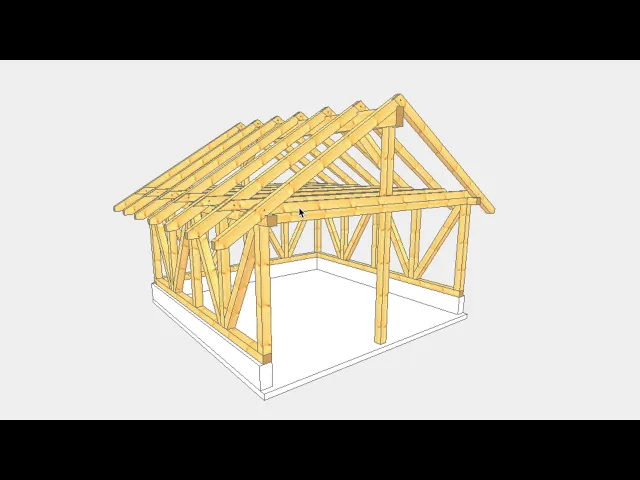
detailed design of the structure in 3D for static reliability, accuracy, and material savings
high degree of prefabrication and processing, shape and structural variability, quick assembly
advantageous price due to exceptional speed and flexibility of production and material cost savings
long life of the rafters given by the quality of wood, impregnation, and coating systems
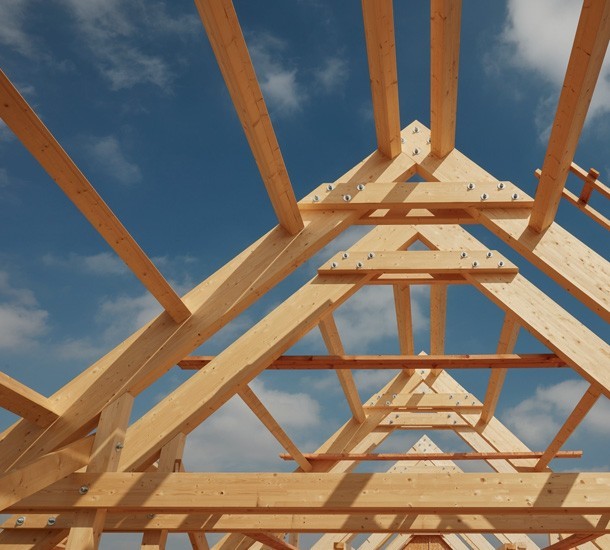
use of modern wooden materials (KVH, BSH, CLT) as well as the possibility to combine wood and steel
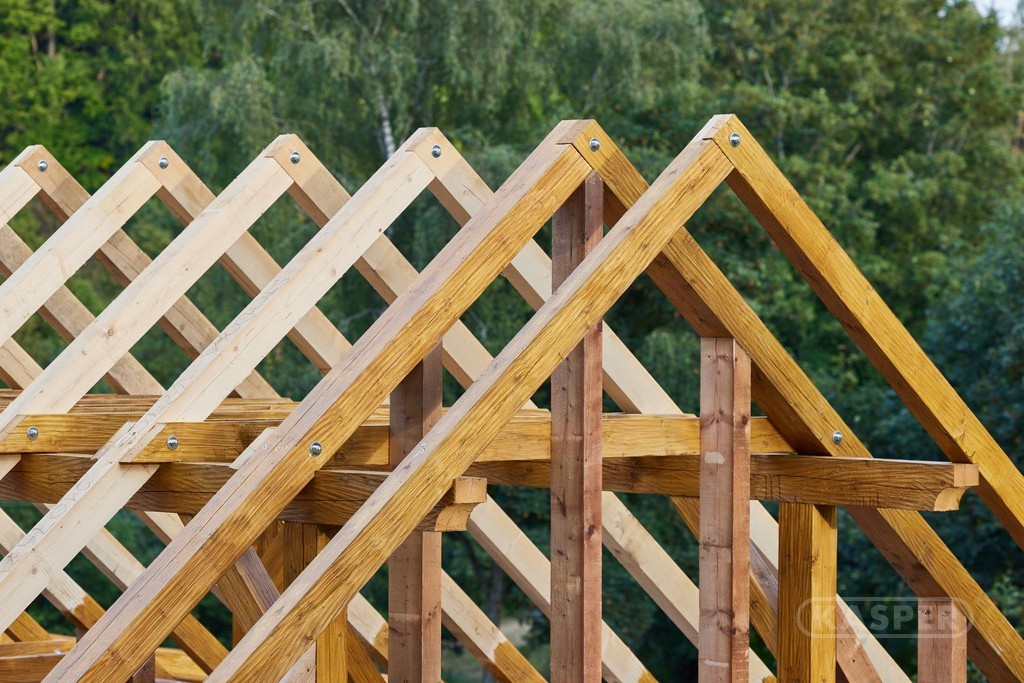
possibility of aesthetic visible constructions including artistic elements
parameters of classical carpentry work including the ecological aspect of the product
The use of wooden traditionally tied structures
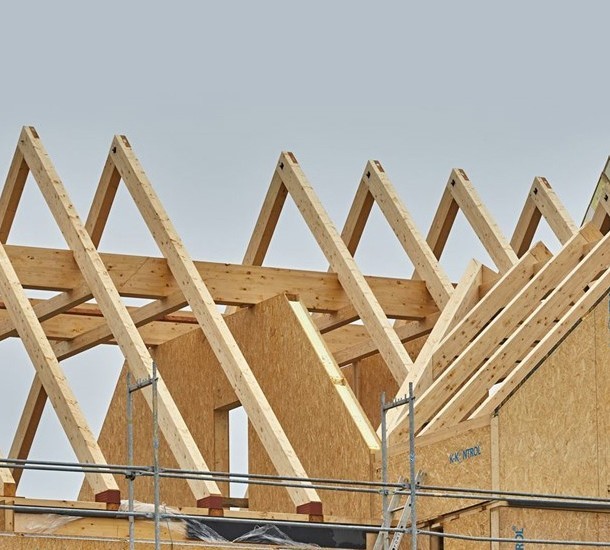
roofs of family houses – standard visible and non-visible structures of roofs
roofs of atypical and variously shaped roofs including possible decorative and artistic accessories
roofs of residential buildings and atypical roofs of civic amenities
heavy wooden frames
landscape architecture – garage parking, pergolas, pavilions, etc.
atypical wooden structures
Utilization of traditional wooden tied structures and the technology of their production
Traditional carpentry tied structures are primarily used as roof trusses and other auxiliary constructions. They are mainly used in the construction of family houses, and their production is among the most traditional carpentry works. Today's carpenters work more with various specialized programs, CNC machining centers, and computer-controlled saws than with classic tools, but the essence of carpentry remains the same. The goal is to create a structure that will support the roof of the house.
The design of truss structures in our company KASPER CZ typically starts with a design in the static software from DLUBAL and continues with structural shape design in the SEMA program. Based on this data, individual construction elements are then produced on the CNC wood processing center Hundegger K2i. Thanks to the precision of processing, their assembly is easy, fast, and of high quality.
Non-visible and visible truss structures
Standard trusses for all types of buildings are typically processed as solid wood for non-visible structures and treated with Lignof Stabil Extra impregnation. Elements made of glued wood (glued laminated materials of type BSH or KVH, DUO or TRIO treated with a suitable coating system) or planed solid wood are used for visible truss structures, which meet the most demanding aesthetic requirements. The most common material for making trusses is spruce, followed by larch, pine, and wood from certain hardwood trees.
MANUFACTURING TECHNOLOGIES USED IN THE PRODUCTION OF WOODEN TRUSSES BY KASPER CZ SUPPLIED ALSO TO THE SLOVAK MARKET
1 x CNC Hundegger SC3
1 × CNC wood processing center Hundegger K2i 1250
2 × single-blade computer-controlled angular and cross-cut saw
1 × four-blade angular and cross-cut saw
1 × dipping impregnation tank
design software R-STAB, RX-TIMBER from DLUBAL
structural software SEMA